





Background
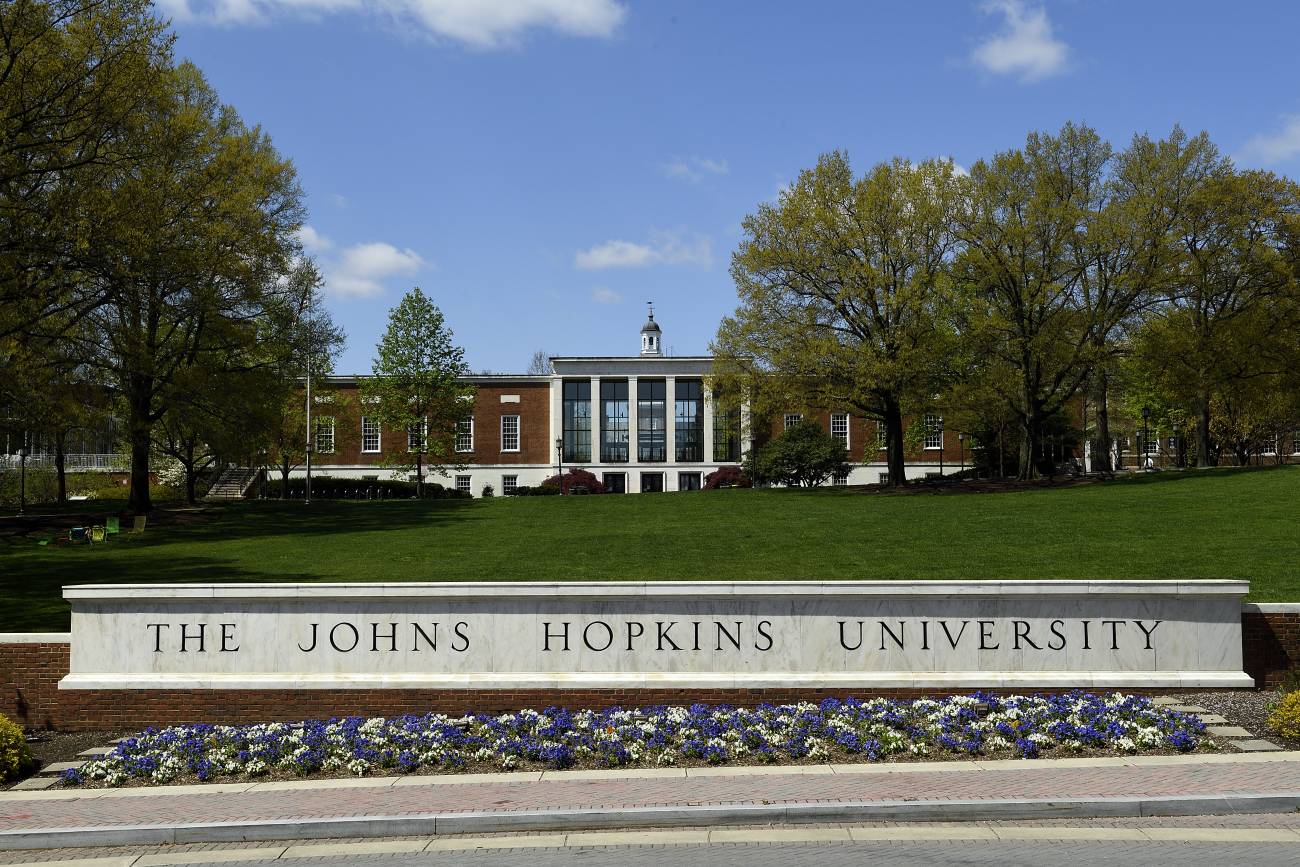
The Johns Hopkins School of Nursing (JHSON) has long been recognized as a leader in graduate nursing education. The Baltimore based school describes excellence, community and diversity as core values and notes that it is “a top–ranked graduate nursing program in the nation and world”. The mission of the school is to “improve the health of individuals and diverse communities locally and globally through leadership and excellence in nursing education, research, practice and service”. JHSON is consistently ranked among the best nursing programs in the United States, in April 2025 U.S. News & World Report ranked its Doctor of Nursing Practice (DNP)program No. 1 and its master’s program No. 2 nationally. In addition, specialty tracks such as adult–gerontological acute care, family nurse practitioner and pediatric primary care are ranked in the top three.
Despite its leadership and resources, JHSON faces the same systemic pressures confronting nurse practitioner programs nationwide. These constraints create bottlenecks even for well resourced programs and make it difficult to guarantee timely clinical placements for every student. JHSON’s growing online presence and national student body intensify this challenge because each student must secure rotations in the state where they hold licensure.
Challenges
JHSON leaders identified several obstacles to achieving the school’s mission while expanding access to its graduate nursing programs:
- Shortage of preceptors and clinical sites. Like many NP programs, JHSON competes for a limited pool of preceptors across specialties. Nationwide data show that nursing schools turn away tens of thousands of qualified applicants because there are not enough preceptors and clinical sites. Students in JHSON’s advanced practice tracks require hundreds of supervised clinical hours, yet finding qualified preceptors in primary care, family medicine and pediatrics is difficult.
- Licensure and regulatory complexity. Each student must maintain an active RN license, and additional state licenses may be necessary to secure a clinical rotation. JHSON’s distance learning model means learners hail from dozens of states; securing providers licensed in each state is administratively burdensome.
- Scheduling flexibility. Most graduate nursing students work full time or juggle other coursework. Traditional clinical placements require fixed schedules, making it hard for students to complete required hours when preceptors offer limited availability. When on–site rotations are canceled or rescheduled, students risk falling short of the clinical hours needed for each rotation.
- Quality assurance and accreditation. To maintain accreditation and national rankings, JHSON must ensure that every clinical experience meets rigorous educational standards. With multiple external preceptor sites, tracking the quality of encounters, evaluations and documentation adds administrative overhead.
Our Solution
To address these challenges, JHSON partnered with MomentMD, the first of its kind telehealth clinical education platform that connects students with a nationwide network of licensed MomentMD providers. Together, the teams developed a comprehensive strategy to modernize clinical education:
- National preceptor network and advanced scheduling. MomentMD leverages more than 3,000 board–certified providers across the country. This allows JHSON to lock in rotations up to 12 months in advance in adult primary care, family medicine and pediatrics. Students are matched with MomentMD preceptors licensed in their state, eliminating the administrative burden of cross–state licensure verification. Because MomentMD houses the preceptor, patients, and the rotation schedules, placements are guaranteed, students no longer scramble to find their own preceptors.
- Virtual clinical encounters with cutting edge tools. Students conduct face–to–face virtual visits with patients using MomentMD’s secure telehealth platform. They learn to perform remote physical exams using digital stethoscopes and otoscopes and receive training in artificial intelligence enabled diagnostic support. This mirrors JHSON’s emphasis on innovation; the school already used virtual reality to train hundreds of students during the pandemic.
- 24/7 platform to meet students’ schedules. MomentMD offers around–the–clock access to rotations, including evenings and weekends. This flexibility allows students to accumulate required clinical hours (from 50 up to 180 per rotation) without disrupting employment or coursework.
- Quality assurance and compliance. All encounters occur within MomentMD, enabling the school to monitor rotation quality, ensure documentation is complete and verify that preceptors meet accreditation standards. The platform also tracks student evaluations, hours and licensure status, aligning with accreditation requirements and reducing administrative workload.
Results & Impact
The collaboration between JHSON and MomentMD produced tangible benefits for students, faculty and the program:
- Guaranteed placements and on–time graduation. Every participating student secured a preceptor for each required rotation. No one missed graduation due to missing clinical hours. The ability to schedule rotations a year in advance eliminated last minute scrambling.
- Expanded clinical capacity. By tapping into a national provider network, JHSON increased the number of available rotation slots without competing for limited local sites. Students completed virtual rotations in adult primary care, family medicine and pediatrics with preceptors from multiple states.
- Improved learning experience. Students gained hands on experience with remote physical exam devices and AI tools, complementing the school’s existing simulation initiatives. This prepared them to deliver telehealth services and participate in technology–enabled care models.
- Reduced administrative burden. Faculty and staff no longer had to verify each preceptor or track licensure across states. Automated documentation and evaluation tools freed up time for mentorship and curriculum development.
- Flexibility and student satisfaction. The 24/7 platform accommodated working students and those in different time zones. Learners reported high satisfaction with the convenience and quality of virtual rotations, particularly those who previously struggled to secure placements in their home states.
Lessons Learned & Next Steps
JHSON’s experience demonstrates that even elite nursing programs can benefit from technology enabled clinical education. Key takeaways include:
- Telehealth expands access without sacrificing quality. Virtual encounters allow programs to connect students with diverse preceptors while still emphasizing patient–centred care. JHSON leveraged telehealth to maintain its mission of excellence and service to communities despite preceptor shortages.
- Policy awareness is essential. Students in distance learning programs must maintain licensure in their home state. Partnering with a platform that manages licensure verification simplifies compliance.
- Proactive scheduling reduces risk. Securing rotations 12 months ahead of time ensures that students meet accreditation requirements and prevents delays to graduation.
- Innovation enhances learning. Training students on AI diagnostics, remote exam devices and virtual reality prepares them for the future of health care. JHSON’s early adoption of VR, which trained about 400 students during the pandemic, demonstrates how technology can scale experiential learning.
Looking ahead, JHSON plans to:
- Expand telehealth rotations into additional specialties such as mental health, women’s health and gerontology.
- Integrate virtual simulation and telehealth experiences more deeply into the curriculum, building on the success of the pandemic–era VR program.
- Collaborate with MomentMD to publish joint research on outcomes associated with virtual clinical education and to offer faculty development workshops on telehealth best practices.
- Continue advocating for national solutions to the preceptor shortage, including state policies that recognize the value of virtual preceptorships.
Through this partnership, Johns Hopkins School of Nursing continues to lead the way in reimagining clinical education, ensuring that its graduates are equipped to deliver compassionate, evidence based care wherever patients are.