





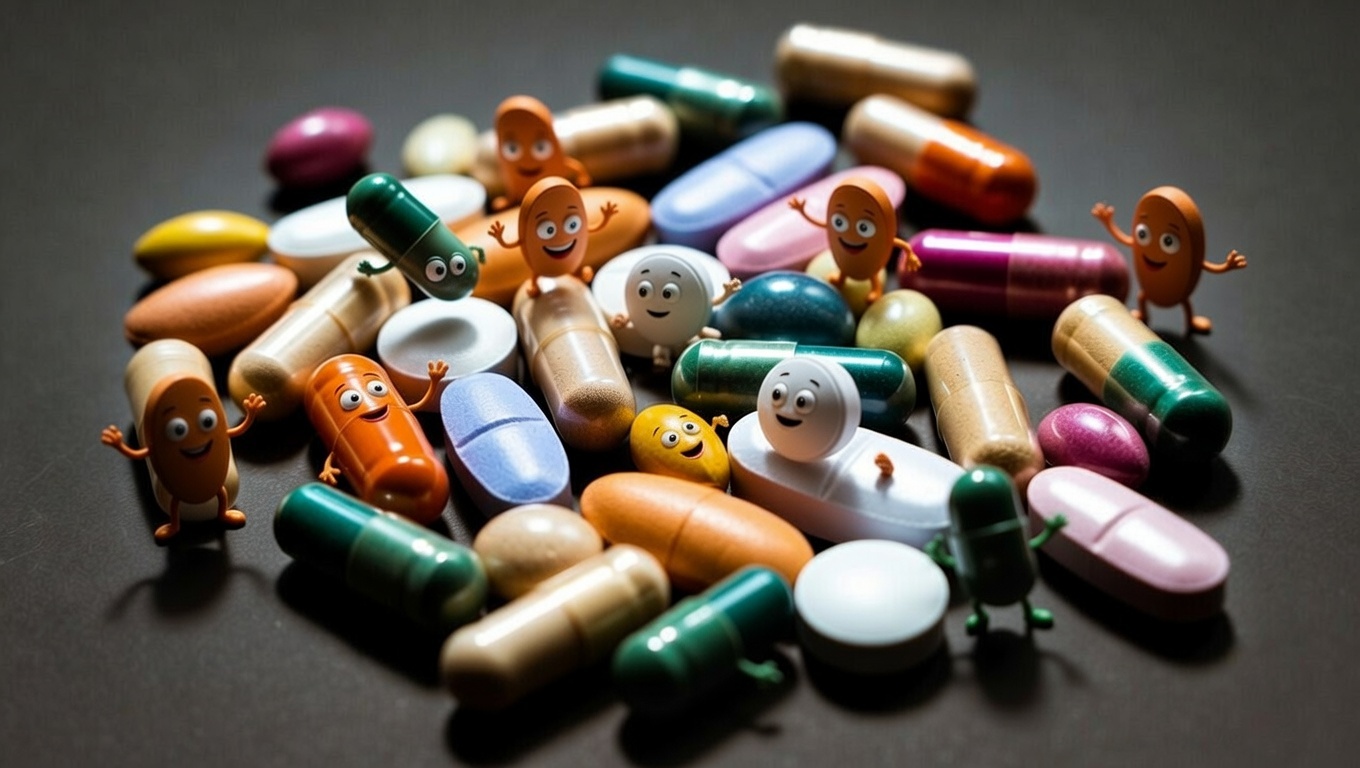
Ever feel like your supplement stash has turned into a mini apothecary? You aren’t alone. More than half of U.S. adults take at least one dietary supplement, and many mix multiple pills into a morning smoothie of “wellness”. But just because something is sold over the counter doesn’t mean it plays nicely with everything else. Some nutrients compete for the same transporters, while others exaggerate each other’s effects or even clash with prescription medicines. Think of supplements as guests at a dinner party: some are best seated together, and others should be kept at opposite ends of the table.
Below you’ll find a playful yet evidence–based guide to common supplements and which combinations to avoid. We’ll also spotlight a few power couples that actually work better together. And remember: the recommendations here apply to healthy adults taking typical doses. Always consult a healthcare professional before starting or stopping any supplement, especially if you’re pregnant, nursing or taking medication.
The Divas That Don’t Mix Well
Iron vs. Calcium, Zinc and Magnesium – the Absorption Wars
Iron (the diva of the mineral world) likes to be the star of the show. Taking large doses of iron together with other minerals can sabotage absorption:
- Iron & calcium – Calcium and iron use the same transporter in the gut. Multiple studies and expert sources report that non–heme iron (found in plant foods and most supplements) is less efficiently absorbed when calcium is present. Dietitians advise spacing calcium and iron supplements by at least two hours to avoid this competition.
- Iron & zinc – High–dose iron (≥25 mg) reduces zinc absorption and lowers plasma zinc levels because the minerals compete for intestinal uptake. Pairing them can undo the immune–support benefits of zinc; wait two hours or take them at separate meals.
- Iron & magnesium – Magnesium salts (particularly magnesium oxide) raise intestinal pH and bind iron, reducing iron absorption. Health experts recommend separating iron and magnesium, especially if you’re treating deficiency.
- Iron & tea/coffee – Tannins in green or black tea bind iron, dramatically decreasing absorption. If you enjoy tea or coffee, sip them at least two hours away from your iron supplement.
Pro tip: Iron loves a splash of vitamin C. Vitamin C converts ferric (Fe³âº) iron to the ferrous (Fe²âº) form and keeps it soluble, helping it zip through the intestinal wall. Pair your iron pill with a small glass of orange juice or vitamin C–rich food for better absorption.
Calcium & Magnesium – can’t stop competing
Calcium and magnesium are both essential for bone and muscle health, but they compete for absorption when taken in large doses. High calcium intake inhibits magnesium uptake and may contribute to magnesium deficiency or metabolic issues. Conversely, excessive magnesium can temporarily reduce calcium absorption. Spacing the supplements by a couple of hours helps ensure both minerals get their moment.
Zinc & Copper – a balancing act
Zinc supports immunity and wound healing, but too much zinc triggers a gut protein that accelerates copper excretion, causing copper deficiency and anemia. Dietitians suggest keeping total zinc intake under the tolerable upper limit (40 mg/day) and ensuring roughly 8-15 mg of zinc per 1 mg of copper to maintain balance. If you take a stand–alone zinc supplement, a copper–containing multivitamin or 2 mg copper tablet can restore balance.
Zinc vs. Calcium, Iron & Magnesium – again, compete for seats
Zinc, calcium and iron all rely on similar intestinal transporters. Studies show that taking high doses of any two simultaneously reduces absorption of the other. For example, zinc and calcium should be separated by at least two hours, while zinc and iron should also be spaced apart. Very high doses of zinc (>140 mg/day) also impede magnesium absorption.
Vitamin C & Vitamin B12 – water–soluble rivalry
High–dose vitamin C (≥500 mg) can degrade vitamin B12 (cyanocobalamin) in the gut and prevent its absorption. To safeguard your B12 (especially if you follow a vegan diet), take your B12 supplement at least two hours apart from a high–dose vitamin C tablet.
Vitamin C & Copper – no copper? no thanks
Vitamin C’s antioxidant powers are well–known, but megadoses (≥1,500 mg) can lower copper availability and may increase oxidative stress or even contribute to kidney damage. Keep high–dose vitamin C away from copper supplements and copper–rich multivitamins.
Vitamin D & Vitamin A – competing for storage space
Fat–soluble vitamins share absorption pathways and storage sites in the liver. Excess vitamin A (retinol) can antagonize vitamin D, potentially undermining its benefits. Maintain a balanced intake and prioritize food sources rather than megadoses of either vitamin.
Vitamin D & Calcium (too much of a good thing)
Vitamin D improves calcium absorption, but combining high doses of both can raise blood calcium levels and risk kidney stones. Stick to recommended intakes and monitor blood levels if supplementing heavily.
Vitamin D & Magnesium – when supportive becomes competitive
Magnesium activates vitamin D, making them natural partners. However, very large doses of magnesium can upset the calcium-magnesium-vitamin D balance. If you supplement with both, stay within recommended daily amounts and consider spacing them out.
Ashwagandha – the herbal wildcard
Ashwagandha is a popular adaptogen touted for stress relief. But it isn’t benign. It may lower blood sugar, lower blood pressure, increase sedation and stimulate the thyroid; therefore, combining it with diabetes medications (e.g., insulin, metformin), blood pressure drugs (e.g., amlodipine, losartan), sedatives (benzodiazepines), immunosuppressants, or thyroid hormones can be dangerous. Pregnant people should also avoid ashwagandha due to potential uterine stimulation.
Creatine & Caffeine – frenemies
Creatine is well–known for boosting muscular strength. Caffeine, however, may blunt creatine’s ergogenic benefits and has been linked to accelerated Parkinson’s progression in individuals consuming >300 mg caffeine daily while supplementing with creatine. If you use creatine, consider limiting caffeine or spacing it several hours apart.
Vitamin E & Vitamin K or Blood–Thinning Herbs – bleeding risk
Vitamin E (especially in doses ≥400 IU) can inhibit vitamin K-dependent clotting factors and has an anticoagulant effect. Combining high–dose vitamin E with blood thinners (warfarin, high–dose fish oil, ginkgo, garlic or ginger) could increase bleeding risk. Keep vitamin E at moderate doses (15 mg/day) and speak to your doctor if you take anticoagulant medications.
St. John’s Wort, Ginkgo & Serotonergic Supplements
St. John’s wort is often used for mild depression. It raises serotonin levels and can interact dangerously with antidepressants or serotonin–boosting supplements like 5–HTP or SAMe, leading to serotonin syndrome (agitation, confusion, rapid heart rate). Ginkgo biloba paired with fish oil or other blood–thinning herbs increases bleeding risk. In general, avoid stacking herbs that affect neurotransmitters or blood clotting.
Collagen & Biotin – unusual lab interference
Collagen and biotin are trendy for hair, skin and nails. University hospitals warn that taking them together may interfere with certain laboratory tests (thyroid and cardiac markers), leading to inaccurate results. If you need blood tests, stop these supplements several days beforehand.
Power Couples Worth Inviting
Not all supplement pairings are problematic. Some nutrients truly make each other shine.
Iron & Vitamin C – the absorption boost
As mentioned above, vitamin C reduces ferric iron to ferrous and chelates it for better absorption. This combo is especially helpful for vegetarians or those with low iron stores. But megadoses of vitamin C aren’t necessary; 50-100 mg is sufficient to enhance iron uptake.
Vitamin D & Vitamin K – guiding calcium home
Vitamin D helps you absorb calcium, but vitamin K directs calcium into bones and prevents soft–tissue calcification. Experts note that taking vitamin D and K together can support bone health. Both vitamins require dietary fat for absorption, so take them with a meal containing healthy fats.
Vitamin D & Magnesium – metabolic partners
Magnesium is a cofactor required to activate vitamin D. Without enough magnesium, vitamin D remains inactive and cannot regulate calcium metabolism. Nearly half of Americans don’t meet the daily magnesium requirement. Therefore, ensuring adequate magnesium intake (ideally from food) helps vitamin D work properly. Just don’t megadose either nutrient.
Magnesium & Vitamin B6 – cellular synergy
Vitamin B6 appears to enhance the cellular uptake of magnesium and reduce magnesium loss in urine. Preclinical studies show that pyridoxine corrects low magnesium levels and that a magnesium/B6 combo relieves stress more effectively than magnesium alone. Products like Magne B6 pair 300 mg magnesium lactate with 30 mg vitamin B6 in a 10:1 ratio. Pair your magnesium glycinate supplement with a B–complex (or B6–rich foods like chickpeas and salmon) to make the most of both.
Omega–3 & Vitamin E – antioxidant teamwork
Combining omega–3 fatty acids with vitamin E increases antioxidant capacity and may enhance nitric oxide production, which supports heart health. However, because both can have mild blood–thinning effects, keep doses moderate and check with your doctor if you’re on anticoagulant therapy.
Party Etiquette: Tips for Smart Supplement Scheduling
- Prioritize food first. Whole foods contain a symphony of nutrients that work together; supplements should fill gaps, not replace a balanced diet.
- Read labels and follow recommended doses. More isn’t always better. Exceeding upper limits can cause toxicity or interfere with other nutrients.
- Space out competing minerals. When taking iron, zinc, calcium or magnesium, separate them by at least two hours to prevent absorption battles.
- Watch for medication interactions. Herbs like ashwagandha, ginkgo and St. John’s wort can interact with blood pressure drugs, antidepressants or blood thinners. Always inform your healthcare provider about all supplements you use.
- Time fat–soluble vitamins with meals. Vitamins A, D, E and K require dietary fat for absorption. Taking them with a meal improves uptake and reduces stomach upset.
- Limit stimulants with creatine. If you use creatine, minimize or separate caffeine to maximize performance benefits and reduce potential risks.
- Stop certain supplements before lab tests. Biotin and collagen can skew thyroid and cardiac blood tests; pause them a few days before medical testing.
Final Thoughts
Supplements can be powerful tools, but they aren’t magic bullets. Just like personalities at a party, each nutrient brings its quirks and preferences. Understanding who clashes and who collaborates will help you build a harmonious routine and avoid wasting money on combos that cancel each other out.
Above all, remember that a nutrient–dense diet rich in fruits, vegetables, whole grains, lean proteins and healthy fats should be the foundation of your health. Think of supplements as the spice rack: useful when needed, but best when used thoughtfully and in moderation. Happy supplement planning!